

Modern SaaS teams face the challenge of building search infrastructure that goes beyond traditional SEO tactics, integrating crawling, indexing, internal linking, schema, and analytics into a cohesive system. While conventional SEO focuses on content optimization for external search engines, SaaS search infrastructure demands a systems engineering mindset to balance performance, scalability, and customization within multi-tenant environments. However, investing in robust search infrastructure involves tradeoffs in complexity and maintenance costs, compelling technical founders to strategically design for both user experience and operational efficiency.
See also: seo infrastructure design, internal linking signals, automating internal linking
Overview
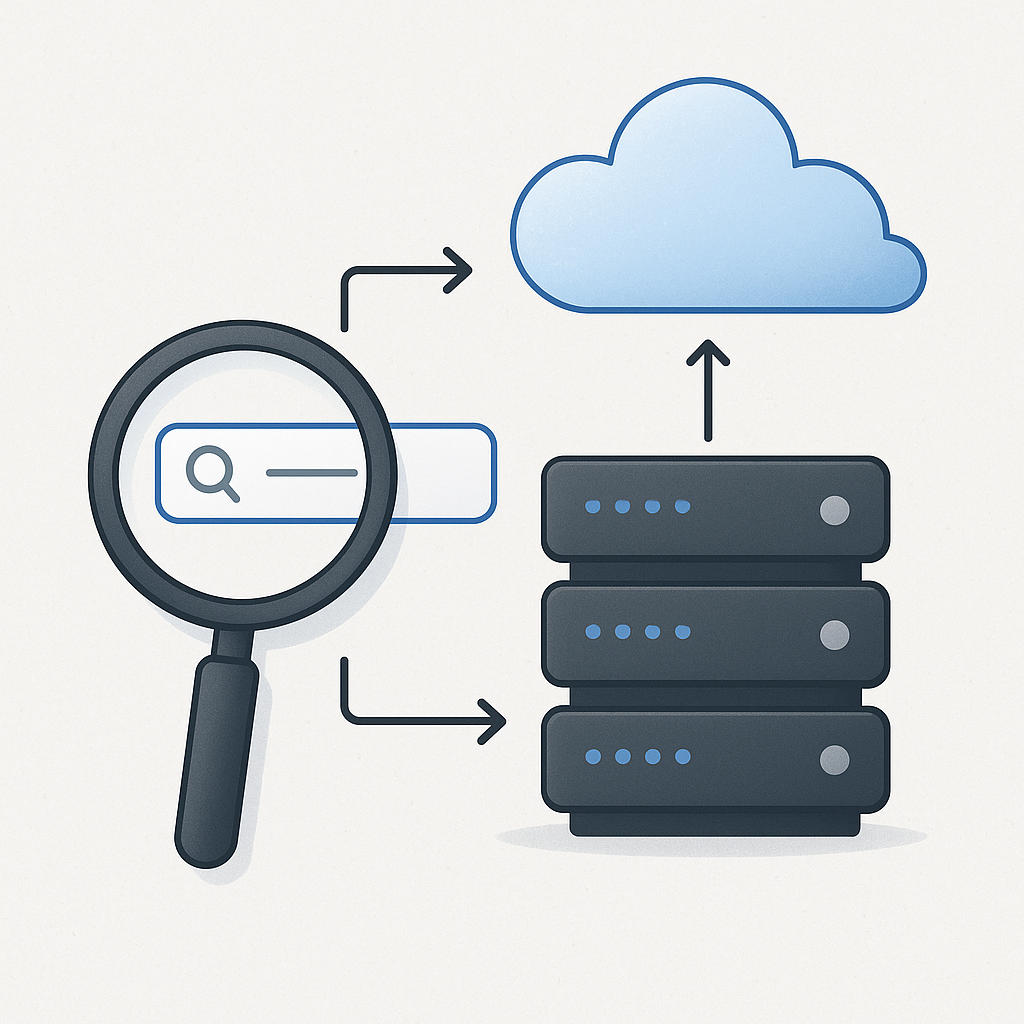
Search infrastructure for SaaS transcends traditional SEO by integrating crawling, indexing, internal linking, schema markup, refresh cycles, and analytics into a cohesive system engineered for multi-tenant environments. Unlike static websites, SaaS platforms require dynamic indexing strategies that accommodate frequent content updates and user personalization. This guide explores how to architect scalable search pipelines that balance crawl frequency with system load, implement internal linking to improve content discoverability, and leverage schema to enhance semantic understanding. We also examine how analytics integration informs continuous optimization and how AI can automate relevance tuning. By adopting a systems engineering approach, SaaS teams can design search infrastructure that improves user experience, reduces operational costs, and supports business growth.
Key takeaways
- Search infrastructure for SaaS requires system design beyond traditional SEO tactics like keyword optimization.
- Key components include crawling, indexing, internal linking, schema markup, refresh cycles, and analytics integration.
- Multi-tenant SaaS search infrastructure faces unique challenges in data isolation and query personalization.
- AI and machine learning enhance search relevance and enable customization in SaaS search systems.
- Organizing URLs and content hierarchies improves crawl efficiency and indexing frequency.
- Continuous refresh cycles and analytics feedback loops are critical for maintaining search accuracy.
- Cost and complexity of building search infrastructure must balance scalability and user experience.
Decision Guide
- Choose incremental indexing when content updates are frequent and partial
- Opt for full reindexing only after major schema or data model changes
- Use internal linking to cluster related content and improve crawl efficiency
- Avoid excessive crawl frequency to reduce infrastructure costs
- If multi-tenant, isolate indexing pipelines to prevent data leakage
- Implement schema when rich search features are a priority
- If user personalization matters, integrate AI-driven ranking models
Many teams overlook the cost and complexity of maintaining crawl and indexing pipelines at scale, leading to performance bottlenecks and stale search results in SaaS environments.
Step-by-step
Design a scalable crawling system to discover and refresh SaaS content dynamically across multi
tenant environments.
Implement an indexing pipeline that supports schema
based data normalization and fast retrieval.
Develop internal linking strategies to enhance crawl efficiency and user navigation within SaaS apps.
Integrate analytics to monitor search impressions, CTR, and user engagement metrics for continuous optimization.
Compare traditional SEO tactics with infrastructure
focused approaches to prioritize system design over keyword stuffing.
Use decision frameworks and diagrams to balance crawl frequency, indexing depth, and resource costs in SaaS search.
Leverage AI/ML models for personalization and ranking adjustments tailored to SaaS user behavior and tenant data.
Common mistakes
Indexing
Relying solely on automatic canonical URL detection can cause important SaaS pages to be deindexed unintentionally.
Pipeline
Failing to implement dynamic refresh cycles in the indexing pipeline leads to stale search results in multi-tenant SaaS.
Measurement
Using raw CTR from GSC without segmenting by user intent skews performance insights for SaaS search features.
Indexing
Not submitting updated sitemaps when SaaS product features evolve delays discovery of new content.
Pipeline
Ignoring internal linking structure optimization in SaaS apps reduces crawl efficiency and index coverage.
Measurement
Overlooking impression data trends in GA4 limits understanding of search infrastructure impact on user engagement.
Conclusion
Search infrastructure works best when designed with SaaS-specific constraints like multi-tenancy, content dynamism, and personalization in mind. It fails when treated as traditional SEO or without scalable system design, leading to stale results and high costs.